



Waterproof Laminate Flooring Launched for Kitchen and Bathroom Use
 Oct 30, 2026|
 View:2
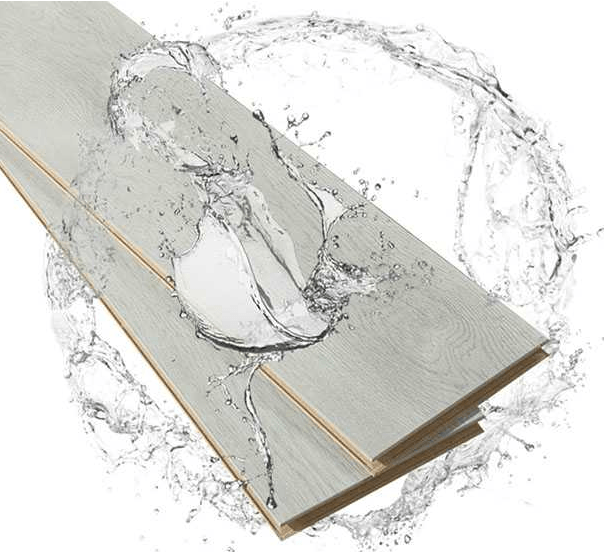
Waterproof laminate flooring is a new kind of laminate. It has a strong core that resists moisture and a sealed surface. Richwood just launched this line, and its aqua flooring range works well in bathrooms, kitchens, and basements. So, can laminate really handle water? Yes. You get a waterproof-laminate build that stands up to splashes and daily damp. Richwood backs every waterproof plank with test reports and warranties, so you can install it with confidence.
Key Takeaways
Waterproof laminate flooring keeps out moisture and works well in kitchens and bathrooms.
Compare waterproof laminate with LVP and tile so you can pick the best floor for each room.
Look at test reports and warranties before you buy waterproof laminate flooring.
Waterproof Laminate Flooring Basics
Rigid Core and Sealed Surface
What makes laminate waterproof? It begins with a fully synthetic rigid core. This core does not soak up water like a wood-based board does. Some premium planks use a rigid polymer composite that stays waterproof through the whole plank, not just at the top. Other builds use high-density fiberboard packed with extra resins to resist swelling. Either way, the core is the engine of the whole system.
The surface seal is the second layer of defense. A water-repellent wear layer stops spills from reaching the core. Tight-locking edges keep water from slipping between planks at the seams. A sealed backing stops subfloor vapor from rising up from below. Together, these parts give waterproof laminate its waterproof and water-resistant qualities.
Richwood's aqua flooring line shows how this works in practice. The planks suit kitchens, bathrooms, and basements. Many come with attached padding, and the wear layers resist scratches and pet claws. That makes waterproof laminate floors a smart pick for busy homes.
Spills, Pets, and Daily Moisture
Life in a kitchen or bathroom means splashes, damp mops, and the occasional pet accident. Waterproof laminate handles all of it. The planks themselves do not absorb water, so a spill stays on top until you wipe it up. Seam sealing still matters, though. It keeps moisture from reaching the subfloor through the joints.
Modern water-resistant laminate is rated for up to 72 hours of surface water exposure without damage, but prolonged standing water can still reach the HDF core through seams and cause swelling — unlike a true waterproof core.
That quote draws a clear line. Water-resistant laminate usually means short spills and quick cleanup. Waterproof laminate means long exposure is part of the design. So what is waterproof laminate in everyday terms? It is a floor that takes the messes real rooms make.
Testing backs these claims. Manufacturers soak samples for 24 to 72 hours or longer and measure swelling before and after. They also run moisture vapor transmission tests and dimensional stability tests. True waterproof materials show very little change on all three. Ask for those reports before you buy.
Best Waterproof Laminate Flooring Options
You have real choices for a wet room. A side-by-side view makes the waterproof laminate vs lvp decision clearer.
Dimension | Waterproof Laminate | LVP |
|---|---|---|
Moisture resistance | Handles splashes and damp mopping; long-standing water is the weak spot | Better water resistance; works in bathrooms, kitchens, basements |
Durability | Strong and easy to care for; the surface shows wear over time | Very strong and scratch-resistant; good for pets |
Comfort underfoot | Warm and comfortable; a plus in cold climates | Stays cooler; comfortable in warm climates |
Wood-look realism | Realistic wood and stone copies | Realistic designs; budget lines look less real |
Both belong on your shortlist of water resistant and waterproof flooring options. LVP puts up with more standing water. Waterproof laminate feels warmer and looks more like real wood. Neither laminate flooring type deserves a knock. Each one simply fits a different room. Check the warranty fine print on both, and ask for the test report behind every waterproof/water-resistant laminate claim.
Waterproof Laminate vs LVP
Start with the room, not the label. LVP suits basements and full bathrooms where puddles can sit for a while. The best waterproof laminate flooring suits kitchens, hallways, and main-floor living spaces. Weigh the pro's + con's of waterproof laminate flooring against LVP's cooler touch. The gaps are small, and both hold up well under daily traffic.
Tile and Traditional Laminate
Ceramic tile resists water naturally. Grout lines still hold moisture, so plan on regular cleaning. Tile installation is more complex, and you may want a pro. Tile also feels cold and hard underfoot. Some homeowners love that; others do not. Traditional laminate flooring tells a different story. Its compressed wood-fiber core swells at seams and buckles in damp rooms. Ordinary laminate is not suitable for bathrooms. Waterproof laminate is.
Laminate combines a decorative image with a hard protective surface and a wood-based core. It can offer convincing wood visuals and useful wear performance, but products differ considerably... Look beyond the word waterproof. Check the approved rooms, joints, perimeter details, exposure limits, and whether the promise covers only the flooring or other parts of the installation.
That warning deserves attention. A waterproof plank does not make the whole assembly waterproof. Water can still seep into the seams or edges and rest on the subfloor. Glue-down installs beat floating ones where standing water is likely.
For a realistic waterproof laminate flooring look, check embossed-in-register texture. It lines the visual grain up with the printed pattern. Compare these waterproof laminate flooring options across brands before you commit. Ask where each waterproof-laminate product is approved. A waterproof-laminate floor also needs sealed joints. Then match the plank to the room.
Installation, Cost, and Compliance
Underlayments, Trims, and Warranties
You can put in waterproof laminate flooring on your own. The planks snap together, and most rooms do not need glue. A waterproof underlayment is the main extra you need in wet areas. It works as a vapor barrier and lowers the chance of water damage. It also soaks up sound and makes the floor feel softer. Match your moldings and trims to the plank color so the finish looks clean.
Choose your AC rating based on how much traffic a room gets. AC3 works for rooms with light use. AC4 takes on busy homes and light commercial spaces. AC5 gives you heavy-duty performance. A kitchen needs at least AC4, and AC5 is best for open-concept homes with lots of cooking. A powder room can use AC3, since keeping moisture under control matters more there than wear resistance. Thicker wear layers on AC4 and AC5 planks fight the slow scraping that dulls AC3 surfaces over time.
Warranties pay off for careful buyers. Manufacturer coverage protects the laminate itself: defects, wear-through, stain, fade, and water protection. Installation warranties cover workmanship only, and trim pieces usually fall outside them. Floods, leaks, and moisture from below often sit outside coverage. Keep your invoice, box labels, and care guide. Wrong cleaners or steam mops can void protection.
Standards, Reports, and Pricing
Ask for third-party test reports before you buy laminate flooring. NALFA LF-01 is the ANSI-accredited performance standard, and it tests 14 categories, including moisture resistance and dimensional stability. CARB Phase 2 and EPA TSCA Title VI check formaldehyde limits. The NALFA 24-Hour Waterproof Test puts a three-way joint under standing water for a full day. The 100-hour test goes further, with one hour of standing water per day for 100 days.
On cost, expect a mid-range price. Waterproof laminate usually costs less than tile once you add installation labor, and it comes close to LVP. Tile lasts decades but needs a pro and feels cold. LVP handles standing water well. Each option earns its place. Request samples, then review the warranty and test report details before you commit.
Waterproof laminate flooring is a good middle choice for kitchens and bathrooms. Think about it if you want the warm look of wood on a budget, plan to install it yourself, or have pets. Tile and LVP still work better in rooms that get wetter. Ask for samples, then check the warranty and test report details before you buy waterproof laminate.
FAQ
Can you install waterproof laminate in a full bathroom?
Yes, you can. Richwood's aqua line approves it for bathrooms. Seal the seams and edges well, though. Standing water still finds weak spots over time.
Does waterproof laminate need a special underlayment?
You bet. Use a waterproof underlayment in wet rooms. It blocks vapor and cuts the risk of water damage. Match your trims to the plank color for a clean finish.
How does the cost of waterproof-laminate compare with tile?
Expect a mid-range price. You will usually pay less than tile once you add labor. The waterproof laminate sits close to LVP on cost.