








A Buyer's Guide to Laminate Vs. Tile Flooring
 Apr 03, 2026|
 View:253
You might ask if laminate or tile flooring is better for your home. The answer depends on what is most important to you. You may care about price, how long it lasts, or the room type. Laminate flooring is good for entryways and halls with lots of walking. People also use it in kitchens and laundry rooms because it does not get damaged by water. If you have pets, it helps because it does not scratch or stain easily. Many people pick laminate because it looks like wood or stone but costs less. As you read, think about what you want most: low price, comfort, or water protection.
Quick Comparison
Laminate Flooring Overview
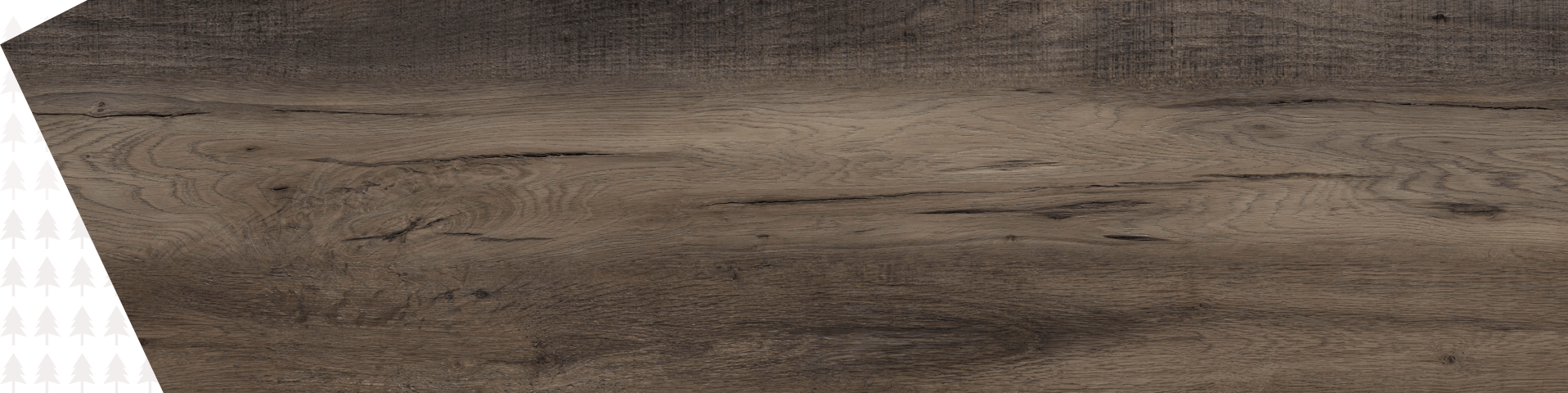
You can choose laminate flooring if you want a floor that looks like wood or stone but costs less. This type of flooring uses layers of materials pressed together. The top layer shows a printed design, and a clear coating protects it from scratches. You can install laminate flooring quickly. Most people finish small rooms in one day. You do not need glue or nails because the pieces snap together. You can walk on the floor right after you finish. Some types resist water, so you can use them in kitchens or laundry rooms. You do not need to worry about grout or mold. Laminate flooring lasts up to 25 years if you take care of it.
Tip: Laminate flooring works well in busy areas. You can clean it easily with a broom or mop.
Tile Flooring Overview
Tile flooring gives you a strong and waterproof surface. You can use tile in bathrooms, kitchens, or entryways. Tiles come in many shapes, colors, and patterns. You need to hire a professional for tile installation. The process takes longer because you must set each tile, apply thin-set, and wait for grout to dry. The whole job can take about 48 hours. Tile flooring can last up to 50 years. You must clean the grout to keep it looking good. Grout can stain or grow mold if you do not care for it.
Note: Tile flooring feels cool under your feet. You can use it in places where water spills often.
Feature | Laminate Flooring | Tile Flooring |
|---|---|---|
Cost | Generally cheaper, easier to install | More expensive, professional installation needed |
Durability | Lasts up to 25 years with care | Can last up to 50 years, but grout maintenance is required |
Water Resistance | Waterproof options available, no grout issues | 100% waterproof when sealed, but grout can stain and mold |
Laminate flooring can be installed quickly, often within a day for smaller areas.
Tile installation is more time-consuming due to the need for precise placement and additional steps.
Key steps in tile installation include setting tiles, applying thin-set and grout, and waiting for drying times, which can take about 48 hours in total.
Cost Comparison
Laminate Flooring Cost
You can choose laminate flooring if you want a budget-friendly option. The cost depends on the quality you pick. Here is a table to help you see the typical price ranges in 2024:
Type of Laminate | Price Range (per sq. ft.) |
|---|---|
Standard Laminate | $4–$7 |
Premium Laminate | $7–$10 |
You will also save money on installation. Many people install laminate flooring themselves because the pieces snap together. You do not need glue or nails. If you hire a professional, the cost stays lower than tile. You will spend less on tools and supplies.
Tile Flooring Cost
Tile flooring costs more than laminate. You pay more for both the materials and the installation. Most tiles cost between $7 and $15 per square foot. You also need to pay for grout, thin-set, and other supplies. Tile installation takes longer and usually needs a professional. This adds to the total price. If you want custom or high-end tile, the cost can go even higher.
Tip: Tile flooring lasts a long time, but you need to plan for the higher upfront cost.
Value Over Time
You will spend less on laminate flooring over the years. It needs only basic cleaning, like sweeping and mopping. Tile flooring needs more care. You must seal the grout every year or two. This adds to the long-term cost. Tile can last 75 to 100 years if you take care of it. Laminate flooring lasts up to 25 years.
Tile flooring can add more value to your home, especially in kitchens and bathrooms. Buyers see tile as a premium choice. Laminate flooring is a good way to update a space without spending a lot. It works well in rental homes or busy areas. Tile gives you a higher return on investment, but laminate helps you save money now.
Durability & Longevity
Scratch & Dent Resistance
You want your floors to look good for many years. Both laminate and tile flooring offer strong protection against scratches and dents, but they do so in different ways. Laminate flooring has a tough top layer. This layer helps stop scratches from pets, shoes, or moving furniture. It also resists dents and stains, so you do not need to worry about dropping small items.
Tile flooring stands out for its hard surface. It does not scratch easily, even if you drag heavy chairs or tables. However, tile can crack if you drop something heavy, like a pot or a tool. You should remember that cracked tiles are harder to fix than scratched laminate.
Here is a quick look at how each type performs:
Flooring Type | Scratch Resistance | Dent Resistance |
|---|---|---|
Laminate Flooring | Tough wear layer protects against scratches from pets, furniture, or daily activity. | Engineered to withstand high-traffic areas, resists dents, stains, and fading. |
Tile Flooring | Extremely durable but can crack under heavy impact. | Provides superior durability against moisture and wear. |
Tip: If you have pets or kids, laminate flooring can help protect against everyday scratches and dents.
High-Traffic Performance
Busy rooms need floors that can handle a lot of action. You might see damage from shoes, toys, or moving furniture. Both laminate and tile flooring work well in high-traffic spaces, but each has its own strengths.
Common causes of damage in these areas include:
Moisture and water damage
Scratches and surface wear
Accidental impacts
Sunlight and fading
Subfloor problems
Pest damage
Normal wear and tear
Environmental factors
Laminate flooring resists scratches and dents, but too much water can cause swelling or warping. Tile flooring handles water better, but grout lines may stain or collect dirt. Tile also stays strong under heavy use, but it can feel hard underfoot.
Note: You should clean up spills quickly on both types to keep your floors looking their best.
Lifespan
You want your new floor to last as long as possible. The lifespan of your flooring depends on care, traffic, and the quality of the product.
Laminate flooring usually lasts between 15 to 25 years if you clean and maintain it. Some types may last only 5 to 10 years if you do not take care of them.
Tile flooring can last much longer. Many tile floors stay strong for 50 years or more. Some even last up to 100 years with proper care.
You can expect laminate flooring to give you many years of good service, especially in bedrooms, living rooms, or hallways. Tile flooring works best in kitchens, bathrooms, and entryways where you need extra strength and water resistance.
Tip: Choose the right flooring for each room to get the most value and durability.
Style & Appearance
Design Variety
You have lots of choices with laminate and tile flooring. Both types come in many styles, but they are different. Tile flooring is made from ceramic, porcelain, or natural stone. Some tiles look like wood, stone, or even concrete. You can use tiles to make custom patterns for a special look. Laminate flooring shows pictures of wood or tile. You can pick from many colors and textures that look like real wood.
Here is a quick comparison to help you see the differences:
Feature | Tile Flooring | Laminate Flooring |
|---|---|---|
Material Variety | Ceramic, porcelain, natural stone | Realistic wood and tile visuals |
Design Flexibility | Can mimic wood, stone, concrete; custom patterns | Good variety of colors and textures resembling wood |
Authenticity | More authentic look with depth and texture | Less depth and texture compared to natural materials |
Cost | Generally higher cost | Budget-friendly alternative |
Maintenance | Varies by material; generally requires more care | Lower maintenance needs |
Tip: If you want a floor that looks like real stone or wood, tile gives you more depth and texture. Laminate is a cheaper way to get a similar look.
Realism & Texture
Both laminate and tile flooring now look more natural. Many people want floors that feel and look like real wood or stone. Large tiles are popular because they make rooms look bigger and have fewer grout lines. You can find tiles in warm colors like sand or honey. Terrazzo tiles are also coming back with their speckled designs.
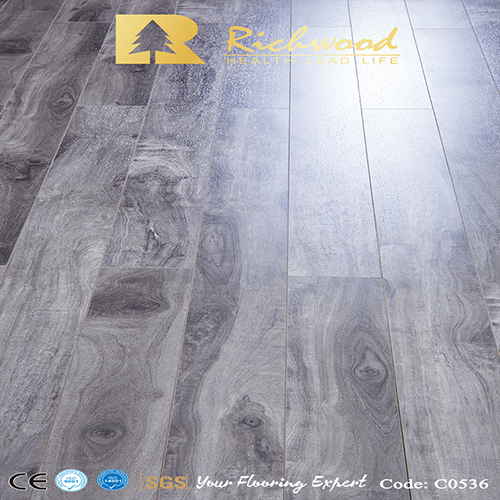
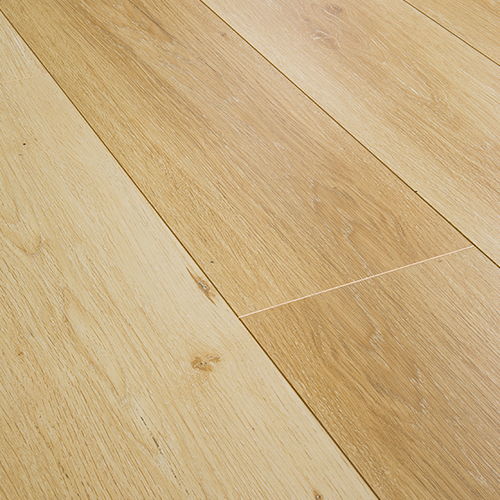
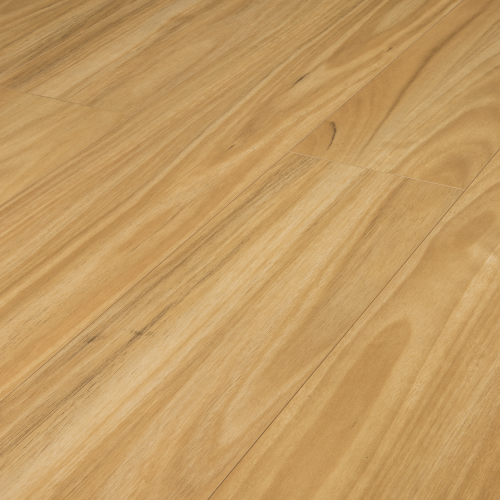
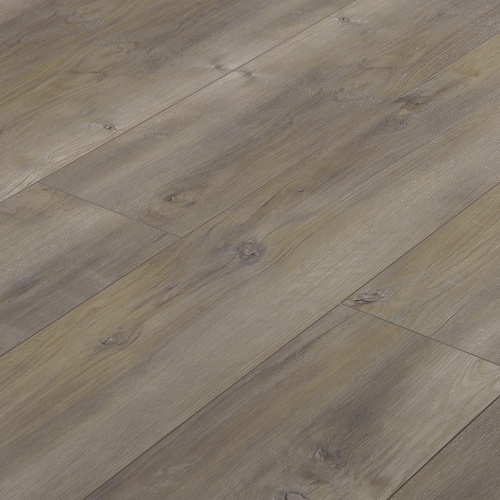
Laminate flooring now looks more real than before. You can find planks with wood grain and color changes that look like real hardwood. Warm wood colors, like chestnut and honey, are more popular than cool grays.
Natural looks and eco-friendly materials are popular now.
Large tiles make a smooth look with fewer grout lines.
Laminate planks show very real wood grains and color changes.
Warm, earthy colors are wanted for both tile and laminate.
Terrazzo tiles give a special, artistic style.
Note: You can pick a style that fits what you like, whether you want a classic, modern, or natural look.
Maintenance & Cleaning
Laminate Flooring Maintenance
You will find that laminate flooring is easy to keep clean. You only need to sweep or vacuum it regularly to remove dust and dirt. A damp mop works well for deeper cleaning. You do not need special cleaners or tools. The smooth surface does not trap dirt, so stains do not set in easily. Most spills wipe up quickly with a cloth. You do not have to worry about scrubbing or sealing.
Sweep or vacuum weekly to keep the floor looking fresh.
Mop with a damp cloth for sticky spots.
Avoid soaking the floor with water.
Tip: Laminate flooring resists stains because of its tough top layer. If a plank gets damaged, you can replace it without much trouble.
Tile Cleaning & Grout Care
Tile floors also clean up well, but grout lines need extra attention. Grout can trap dirt and stains, so you must scrub it sometimes. You should reseal grout every year to keep out moisture and prevent mold. This step takes time, but it helps your floor last longer.
Here are some ways to care for tile and grout:
Sweep or vacuum daily to remove dust and grit.
Mop weekly with a gentle cleaner and avoid too much water.
Scrub grout lines with a soft brush for tough stains.
Reseal grout every six to twelve months.
Place mats at doors to catch dirt before it reaches your tile.
Note: Avoid using steel wool or harsh scrubbers. These tools can scratch your tiles and damage the grout.
Feature | Laminate Flooring | Tile Flooring |
|---|---|---|
Stain Resistance | Resists stains due to its tough wear layer | Unmatched moisture resistance |
Repair Needs | Easier to replace individual planks | Repairs can be cumbersome, often requiring full tile replacement |
You will spend less time cleaning laminate floors. Tile floors need more care, especially for grout. If you want a low-maintenance option, laminate may suit you best.
Comfort & Installation
Underfoot Comfort
You want your floors to feel good when you walk or stand on them. Laminate flooring feels warmer and softer under your feet. It has a little bit of flex, which helps reduce tiredness if you stand for a long time. Tile flooring feels harder and colder. You might notice discomfort if you stand on tile for many hours, especially in winter.
Here is a quick look at how each type feels:
Flooring Type | Comfort Level | Description |
|---|---|---|
Laminate | More Comfortable | Feels warmer and slightly softer underfoot, with a small amount of flex. |
Tile | Less Comfortable | Cold and hard surface, can lead to discomfort during long periods of standing. |
Tip: If you want a cozy floor for bedrooms or living rooms, laminate gives you more comfort.
Warmth & Sound
Laminate flooring keeps your feet warmer. It works well in living spaces where you want a soft and quiet feel. The underlayment under laminate helps absorb sound, so you hear less echo and noise. Tile flooring feels cool, which can be nice in hot weather but uncomfortable in cold climates. Tile can make sounds louder, especially footsteps or dropped items.
Laminate flooring is warmer and softer underfoot.
Tile flooring can feel cold but works well with underfloor heating.
Laminate absorbs sound better and reduces noise.
Tile can amplify noise from foot traffic.
Note: If you have kids or pets, laminate helps keep your home quieter.
Installation Process
You may want to know how easy it is to install each type of flooring. Laminate flooring is simple to put in. You clean the floor, then snap the planks together. You can install laminate over most old floors. Many people finish a room in one day.
Tile flooring takes more time and skill. You must level the subfloor, measure and cut tiles, spread mortar, place each tile, and fill the joints with grout. This process often takes several days and usually needs a professional.
Flooring Type | Installation Steps | Complexity | Time Required |
|---|---|---|---|
Laminate | 1. Clean floor 2. Snap planks together 3. Install over existing floor | Easier | 1–3 days |
Tile | 1. Level subfloor 2. Measure 3. Cut tiles 4. Lay mortar 5. Place tiles 6. Grout | More complex | Several days |
Laminate installation is easier and faster.
Tile installation is more difficult and takes longer.
Tip: If you want to save time and money, laminate flooring is a good choice for DIY projects.
Water Resistance
Wet Area Suitability
You should think about how each floor deals with water. Laminate flooring keeps out most water. Its top layer stops water from soaking through. You can use laminate in kitchens or laundry rooms. It also works in entryways. Tile flooring is good for wet places too. The tile part does not let water in. But grout lines can soak up water. You need to take care of grout to keep water out.
Here is a table to help you compare laminate and tile flooring in wet areas:
Feature | Laminate Flooring | Tile Flooring |
|---|---|---|
Moisture Resistance | High, prevents water seepage | Moderate, grout lines can absorb water |
Maintenance | Easier, less upkeep required | Higher, requires care for grout lines |
Slipperiness | Less slippery when wet | Can be slippery when wet |
Mold and Mildew Prevention | Effective, prevents growth | Requires maintenance to avoid issues |
Tip: Laminate flooring is easier to care for in wet rooms. Tile needs you to clean and seal grout to stop mold.
Water Damage Risks
You need to watch for water damage with both floors. Laminate can swell or bend if water sits too long. If the edges puff up, you must change those planks. Drying wet laminate in place almost never works. If you wait too long, the floor under it can stay wet. This can make bigger problems.
Tile flooring is better with water, but grout can let water in. You have to seal grout to keep water out. If you spill water or have a flood, water can get between laminate pieces. This makes the boards swell and bend. Even air moisture can hurt laminate and cause damage.
Laminate flooring can come apart if it gets wet.
It can bend and puff up after lots of water.
The inside of laminate soaks up water and gets weak.
Spills and floods can hurt both floors if not cleaned fast.
Note: Clean up spills right away and look for damage. Laminate needs quick care to stop big problems. Tile needs grout care to stay strong in wet rooms.
Environmental Impact
Material Sustainability
You might wonder how your floor choice affects the earth. Both tile and laminate flooring have some eco-friendly parts, but they are not the same.
Tile flooring uses things like clay, glass, or stone. These can be natural or recycled. This makes tile a good choice for the planet.
Tile can last more than 50 years. You do not need to change it often. This means less trash goes to landfills.
Tile is easy to care for and does not let out bad chemicals in your house.
Laminate flooring is better for the earth now than before. Many brands use recycled fiberboard and glues with low VOCs. This helps make laminate more eco-friendly.
Laminate lasts about 15 to 25 years. It is simple and cheap to swap out. This is good for families who like to change their floors often.
How companies make these floors also matters. Making laminate flooring uses a lot of energy. Factories often use fossil fuels, which adds to pollution. Shipping laminate from other countries makes even more emissions. Laminate is hard to recycle, so most of it gets thrown away. Tile flooring is different. Making tile may use less energy. You can recycle or reuse tiles if you take them out carefully.
Tip: If you want a floor that lasts a long time and uses natural materials, tile is a strong choice. Laminate is a smart pick if you want to change your floors more often.
Indoor Air Quality
You want the air in your house to be clean. Both laminate and tile flooring help keep dust and pet hair away, but they affect air in different ways.
Feature | Laminate | Tile |
|---|---|---|
VOC Emissions | May emit formaldehyde; low-emission options exist | Very low, especially with natural materials |
Durability | High; resists scratches but can swell with moisture | Very high; resists scratches and moisture |
Moisture Resistance | Medium; may swell if wet | Excellent |
Allergen Control | Does not trap allergens | Does not trap allergens |
Laminate flooring can let out VOCs like formaldehyde, but you can pick low-emission types. Tile flooring, like natural stone or ceramic, gives off very few VOCs. Both types do not hold dust or pet hair, so you can breathe easier.
Resale Value
Home Value Impact
You want your home to stand out when you sell it. Flooring plays a big role in how buyers see your property. Quality flooring can give you about a 70% return on investment. This means you get back most of what you spend when you sell your house. Tile flooring often boosts home value, especially in kitchens and bathrooms. Buyers see tile as a premium feature. It lasts a long time and looks clean, which makes your home more attractive.
Laminate flooring also helps your home look fresh. It costs less than tile and gives the look of hardwood. Many buyers like laminate because it resists scratches and needs little care. You can install it quickly, which saves you money and time. Laminate works well in living rooms, bedrooms, and hallways. However, in upscale markets, buyers may expect real wood or tile. Laminate may not raise your property value as much in these areas.
Tip: If you want to increase your home's value, choose flooring that fits your neighborhood and buyer expectations.
Flooring Type | ROI Estimate | Best Rooms | Market Appeal |
|---|---|---|---|
Tile | High | Kitchens, baths | Premium, long-lasting |
Laminate | Moderate | Living, bedrooms | Cost-effective, easy |
Buyer Preferences
Buyers look for floors that match their needs. Some want durability and style. Others care about easy cleaning and comfort. Tile flooring attracts buyers who want a strong, waterproof surface. It works best in homes where people expect luxury finishes. Laminate appeals to buyers who want a modern look without spending a lot. It is popular in starter homes and rentals.
You should think about what buyers in your area want. If most buyers prefer tile, you may get a higher offer. If buyers value low maintenance and quick updates, laminate can help your home sell faster. Flooring choice can make your home more appealing and help you stand out in the market.
Note: Ask your real estate agent about local trends. The right flooring can help you sell your home quickly and for a better price.
You need to think about a few things before picking laminate or tile flooring. Tile is very strong and comes in lots of styles. Laminate feels softer and is simple to put in. Here is a checklist to help you choose:
Do you want a floor that costs less?
Do you need a floor that handles water well?
Do you want a floor that is easy to clean?
Feature | Tile Flooring | Laminate Flooring |
|---|---|---|
Durability | High | Moderate |
Comfort | Low | High |
Cost | Lower |
Both types can be good for your home if you pick what fits your needs.
FAQ
Is laminate flooring waterproof?
Laminate flooring resists water, but it is not fully waterproof. You should clean spills quickly. If water sits too long, the planks can swell or warp. For bathrooms or basements, you may want to choose tile for better water protection.
Can you install tile or laminate over old flooring?
You can install laminate over many old floors if the surface is flat and clean. Tile needs a strong, level base. You may need to remove old flooring before installing tile for the best results.
Which flooring is better for pets?
Laminate flooring works well for homes with pets. It resists scratches and stains. Tile also handles pet messes and claws. Both options clean easily. You should trim your pet’s nails to help your floors last longer.
How do you repair damaged laminate or tile?
You can replace a damaged laminate plank without removing the whole floor. For tile, you must remove and replace the broken tile. Tile repairs take more time and skill. You may need a professional for best results.