








Top Tips for Choosing Laminate Flooring for Basement Spaces
 Jan 27, 2026|
 View:595
You may ask if laminate flooring for basements can deal with water. New waterproof choices help you worry less. Picking good laminate flooring for basements makes your space look nice and last longer. If you choose well, your basement will be cozy and strong.
Laminate Flooring for Basement
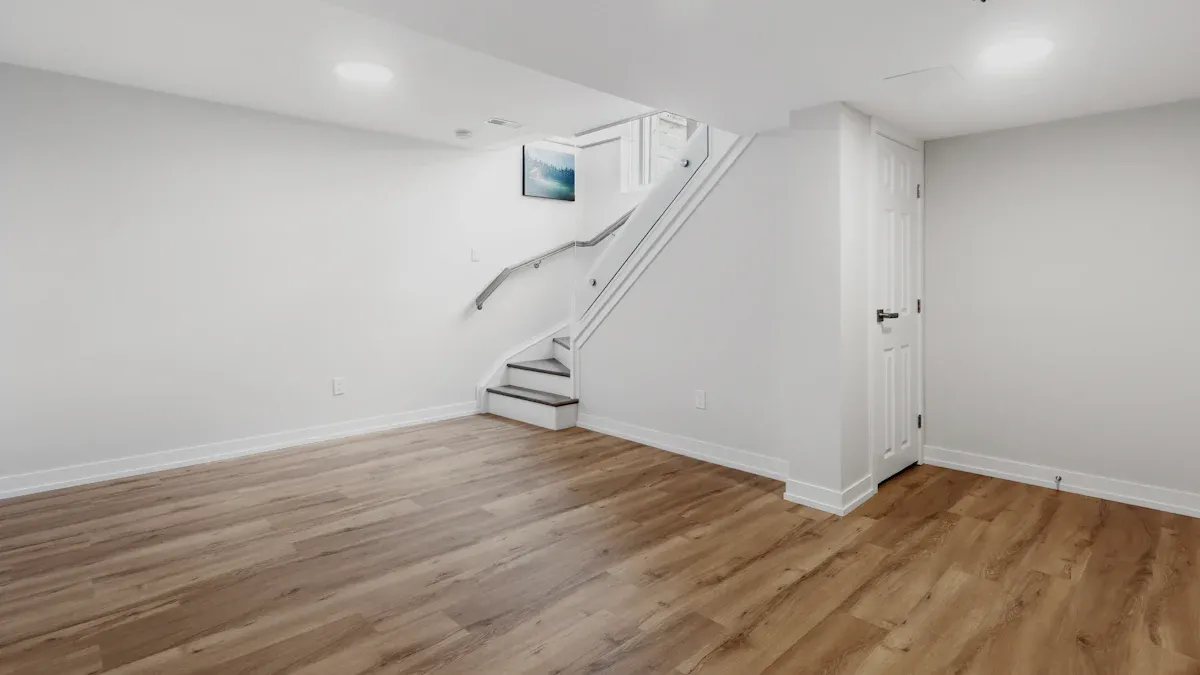
Moisture Issues in Basements
It is important to know about basement problems before picking laminate flooring for basement spaces. Basements usually have more moisture than other rooms. Water can get in through cracks, condensation, or changes in groundwater. These things can hurt regular laminate flooring for basement use.
Regular laminate flooring for basement areas soaks up water. This makes it bend and break.
Flooding happens a lot in basements. Water from storms or broken pipes can ruin laminate flooring for basement installations.
The fiberboard backing in normal laminate flooring for basement spaces can rot and grow mold if it gets wet.
Changes in groundwater and seasons bring more moisture into basements.
Hydrostatic pressure pushes water through cracks and joints. This causes big moisture problems.
When temperatures change, condensation forms. This hurts floors that are not waterproof.
Water vapor can make laminate floors come apart.
Wet concrete can cause problems with the flooring.
Mold, cracks, puddles, and damp spots show there are big moisture problems.
Cracks in concrete and block foundations often happen when soil moves or parts do not fit well.
Tip: Always look for signs of moisture before you put in any basement flooring. Use a moisture barrier to keep your floor safe.
Waterproof Laminate Options
You can fix many basement flooring problems by picking waterproof laminate flooring for basement spaces. Waterproof laminate flooring for basement use has special parts that keep out water and stop damage.
Feature | Standard Laminate | |
|---|---|---|
Moisture Barrier | Yes, made to block water | No, lets water in |
Locking System | Tighter locking systems | Regular locking systems |
Edge Protection | Sealed or coated plank edges | Edges are not sealed |
Core Treatment | Water-repellent treatments | No special treatment |
Backing Layer | Stronger backing layers | Regular backing layers |
Spill Resistance | Handles spills for hours | Only handles spills for minutes |
Waterproof laminate flooring for basement areas uses new technology. The planks have sealed edges and water-repellent cores. The locking systems are tighter, so water cannot get between the boards. These things make waterproof laminate flooring for basement installations much stronger.
You can pick from many waterproof laminate flooring for basement options from top brands:
AquaProof Floors give strong waterproof protection. They are great for basements.
GemCore Flooring is tough and good for the planet. It works well in busy homes.
Republic Floor has triple-protection waterproofing. It is perfect for wet places.
Shaw Floors gives waterproof choices that look like wood.
Lions Floor is 100% waterproof and does not wear out fast. It is good for basements.
Mannington Flooring uses SpillShield waterproof technology. It works in kitchens and basements.
Note: Waterproof laminate flooring for basement spaces helps you worry less. You get the look of wood and the power to handle water and spills.
If you want more information or need help picking the right waterproof laminate flooring for basement use, you can download our product catalog or ask for a custom needs form. These tools help you pick the best basement flooring for your space and make a smart choice.
Key Factors for Basement Flooring
Subfloor Preparation
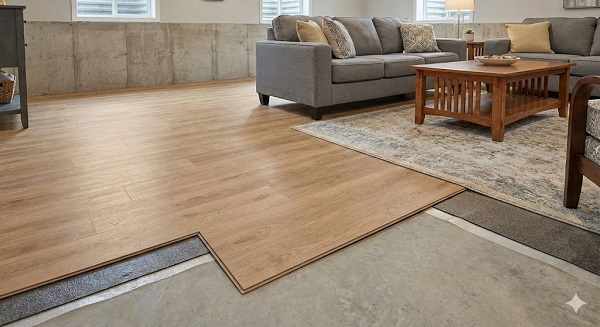
You need to get your basement subfloor ready before you put down flooring. First, clean the subfloor and take away all dust and dirt. Use a leveling mix to fix low or bumpy spots. Let the subfloor sit in the basement for two or three days. Look at the concrete slab for cracks and fix them if you see any. If you find big bumps or dips, use a self-leveling mix to make it flat. Always test for moisture and use a waterproof barrier if you put flooring on concrete. Put a vapor retarder over all concrete floors. Make sure the pieces overlap by 8 inches and go from wall to wall.
Leave a half-inch space between the panels and the walls. If your room is bigger than 30 feet, add a half-inch gap every 30 feet.
Installation Methods
Pick the best way to put in your basement flooring. Floating floors are good for basements because you do not need glue or nails. Waterproof laminate flooring has tight locks that keep water out. You can put waterproof planks on top of a vapor barrier for more safety. Always follow what the maker says so your floor lasts a long time.
Floating floors are fast and easy to put in.
Waterproof laminate planks click together and block water.
Use gaps for big basement rooms.
Durability and Maintenance
You want your basement floor to last a long time. Waterproof laminate flooring is strong and does not scratch easily. Vinyl flooring is even stronger for basements because it does not let water in. Laminate flooring can swell or break if water gets inside, and you cannot fix it once it is ruined.
Keep water away to help your floor last longer.
Put in a vapor retarder, especially in old houses.
Use things like Taylor's Zephyr vapor barrier for more water safety.
Clean up spills right away to keep your floor strong.
Sweep and mop with a damp cloth to keep it nice.
Do not use strong cleaners so you do not hurt the waterproof layer.
Check your basement floor often for damage.
Change broken planks to keep your basement safe.
Pick waterproof floors for the strongest basement floor.
Strong floors save money and keep your basement safe.
Factor | Description |
|---|---|
Moisture Resistance | Needed to stop mold and damage; pick floors that handle wetness. |
Insulation | Helps keep the basement warm; look for floors with insulation. |
Durability | Floors should handle lots of use, especially in busy spots. |
Flooring Options | Choices like Luxury Vinyl Plank, Engineered Hardwood, and Tile work well in basements. |
For more tips about waterproof and strong basement floors, download our product catalog or ask for a custom needs form.
Comparing Basement Flooring Options
Waterproof Vinyl Flooring vs. Laminate
When you look at waterproof vinyl flooring and laminate, you see they handle water very differently in basements. Waterproof vinyl flooring is made from man-made materials. It does not swell or bend when it gets wet. Laminate flooring has wood parts inside. These can soak up water and get ruined.
Vinyl flooring is always waterproof because it uses man-made materials. Laminate flooring has wood parts that can swell and bend if they get wet.
Waterproof vinyl flooring comes in many looks and styles. Luxury vinyl flooring looks fancy and works well. Vinyl flooring is good for basements because it does not let water in and is easy to clean. Laminate flooring costs less at first, but you might pay more to fix it if water gets in. Vinyl flooring usually costs $1 to $7 for each square foot. The price depends on the kind and quality. Laminate flooring is usually cheaper, so it is better for small budgets. But vinyl flooring lasts longer and keeps out water better. This can help you save money because you will not need to replace it as often.
Tile vs. Laminate
Tile flooring gives the best protection from water in basements. Tile can last for many years, even if it gets wet. Laminate flooring does not do well with standing water.
Feature | Tile Flooring | Laminate Flooring |
|---|---|---|
Moisture Resistance | Best for wet places | Not good with too much water |
Durability | Can last over 50 years | Lasts about 15-25 years |
Water Resistance | Handles spills and puddles easily | Can swell and bend if wet too long |
Tile flooring is harder to put in and needs special tools. Laminate flooring is easier to install and you can make more mistakes.
Flooring Type | Installation Difficulty | Required Tools | Error Tolerance | Best For... |
|---|---|---|---|---|
Laminate | Easy | Miter saw or jigsaw | High | Dry rooms, busy areas |
Ceramic | Very hard | Leveler, glue, spacers | None | Bathrooms, basements with heated floors |
Carpet vs. Laminate
Carpet feels soft and warm, but it does not work well in wet basements.
Carpet does not like water and can get mold and stains.
Waterproof laminate flooring keeps out water and mold.
Carpet can hold water, dust, and things that make you sneeze. Laminate is cleaner and better for health.
Carpet often needs to be changed after a flood because it gets wet easily.
Waterproof laminate can handle spills, bumps, and scratches. It is good for busy places.
You must control water for carpet in basements, but laminate does not need as much care.
Feature | Carpet Pros | Carpet Cons | Laminate Pros | Laminate Cons |
|---|---|---|---|---|
Durability | Soft and comfy | Gets stains and smells | Strong, does not scratch or stain easily | Not as warm as carpet |
Comfort | Makes rooms quiet | Needs lots of cleaning | Easy to keep clean | Not as soft as carpet |
Maintenance | Needs vacuuming and cleaning | Needs new carpet every 5-10 years | Easy to clean, low work | Costs more than carpet |
Variety | Many colors and styles | Can lose color over time | Many styles and looks | Made from man-made stuff |
Installation | Fast to put in if floor is ready | Needs more work to get ready | Needs special tools to install | Can be harder to put in |
Carpet is soft, warm, quiet, cheap, and comes in many types.
Carpet gets dirty, needs to be changed often, and does not work in every room.
Laminate is cheap, easy to care for, keeps out water, easy to put in, and lasts up to 25 years.
Laminate is not as warm, costs more than carpet, and is made from man-made materials.
You can get our product catalog or ask for a custom form to learn more about basement flooring and find the best waterproof choice for your space.
Tips for Choosing Laminate Flooring for Basement
Water-Resistant Features
When you pick laminate flooring for your basement, look for water-resistant features. Some products say they are water resistant, but only waterproof ones really protect your floor. You should find planks with sealed edges and a waterproof core. These things stop water from getting into the seams and causing damage.
You must buy flooring that says 100% waterproof, not just water-resistant. Water-resistant laminate can handle spills on top, but water can still get inside the seams and make the core swell. In basements, only waterproof laminate gives you the best protection for a long time.
Always check what the maker says about the flooring. Pick waterproof laminate with strong locking systems and sealed edges. These features help keep out moisture. If your basement gets wet a lot, you need to choose waterproof flooring. This helps you avoid expensive repairs and keeps your basement safe.
Pro Tips for Moisture Protection:
Fix leaks before you put in new flooring. Seal cracks in walls and floors.
Test the concrete for moisture using special tools.
Use a moisture barrier if you need it. Try plastic sheets or a liquid layer.
Underlayment Selection
Underlayment is important for basement flooring. You need to pick underlayment that gives comfort and blocks moisture. The right underlayment keeps cold from the concrete away from your floor. It also makes the floor quieter and stops it from warping.
Underlayment keeps cold and damp from the concrete away from your floor and makes it feel better.
Without underlayment, your floor can be noisy when you walk on it, especially in basements.
If you do not use moisture protection, the floor can warp over time.
XLPP foam underlayment is good for wet basements. It stops mold and mildew, makes the floor quieter, and keeps its shape. Always use underlayment with a moisture barrier on concrete. This kind has a plastic film that keeps water away from the laminate.
Expert Recommendations:
Put down underlayment that blocks moisture, no matter what floor you use.
Even waterproof or water-resistant floors need extra moisture protection.
Clean and make the concrete flat before you start.
Leave gaps for the floor to move naturally.
Price and Value
You want the best deal for your basement floor. Laminate flooring lasts a long time and is easy to care for. It does not stain, scratch, or dent easily, so it is good for busy rooms. You can find styles that make your home look better and may help you sell your house for more money.
Laminate flooring costs less than tile and some vinyl. You can put it in yourself, which saves money. Many waterproof laminate floors are easy to install, so you do not need special tools. When you look at price and value, waterproof laminate gives you style and protection for a good price.
Style and Comfort
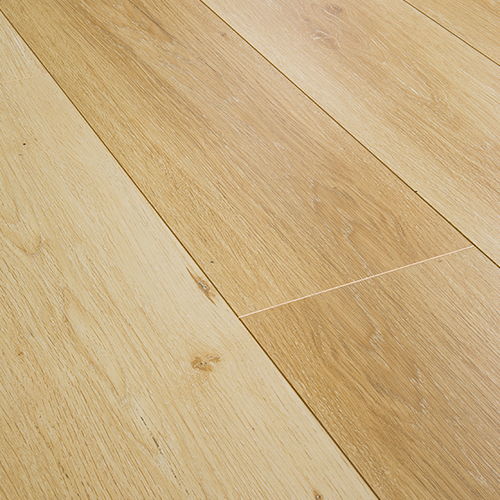
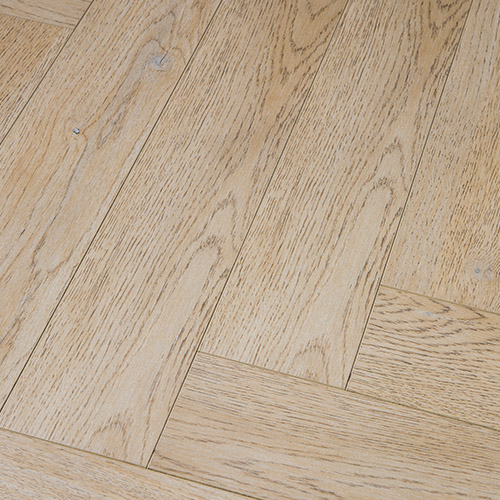
There are many styles of basement laminate flooring. Some look like hardwood, and others have different colors and patterns. TimberTru Landscape Traditions by Bruce is strong, does not stain, and is waterproof. It is also good for the environment and meets VOC rules. Regular laminate looks like wood and is good for small budgets. You must use underlayment that blocks moisture in basements.
TimberTru Landscape Traditions by Bruce: Strong, stain-proof, waterproof, and good for basements. It is eco-friendly and meets VOC rules.
General Laminate Flooring: Looks like wood, costs less, and works well in basements with moisture-blocking underlayment.
Comfort is important in basements. Laminate can feel cold and hard. Vinyl feels softer and warmer, especially with a soft backing. If you want a softer floor, pick laminate with thick underlayment or add rugs.
Flooring Type | Comfort Level | Moisture Resistance | Pros/Cons |
|---|---|---|---|
Laminate Flooring | Lower (cold and hard) | Not waterproof | Costs less, but can be hurt by water |
Higher (softer) | Waterproof | Soft, great for wet basements |
You need to think about style, comfort, and moisture safety. Waterproof laminate comes in many styles and keeps your basement safe. If you want a cozy room, add rugs or pick floors with extra padding.
For more facts about waterproof laminate flooring, get our product catalog or ask for a custom needs form. These tools help you find the best floor for your basement and make a smart choice.
You can give your basement a nice look with laminate flooring. Pick strong, moisture-resistant choices for better results. Get the subfloor ready and put down a vapor barrier. Take care of your floor so it lasts a long time. Check our product catalog or ask for a custom needs form to find the best basement flooring.
FAQ
Can you put laminate flooring right on a basement concrete slab?
You need to use a moisture barrier first. This keeps water and mold away from your floor.
How do you clean waterproof laminate flooring in a basement?
Use a damp mop or a soft broom. Do not use strong cleaners. Wipe up spills fast.
Sweep often
Mop with water and a gentle cleaner
Where can you get more facts or help picking basement flooring?
You can get our product catalog or ask for a custom needs check. These tools help you pick the best laminate flooring for your basement.