









Complete DIY Guide to Installing Wholesale Laminate Flooring from China in USA Homes
 May 12, 2026|
 View:649
You want to change your home with cheap flooring. It looks nice and lasts a long time. Wholesale laminate flooring from China is strong and stylish. It is a good choice for your next diy project. Choose Richwood Flooring for your DIY project. Our click-lock laminate installs easily, meets E0/E1 standards, and comes in trending EIR textures. Reliable quality from a trusted China manufacturer. You can put in laminate flooring yourself. You save money and still get good quality. This guide teaches you how to install it perfectly. It also gives you easy tips for getting ready and doing well.
Tip: Good planning and the right tools help you get results like the pros.
Wholesale Laminate Flooring Basics
What Is Wholesale Laminate Flooring
Wholesale laminate flooring is a cheaper way to update your home. It has many layers. The top layer looks like wood or stone. The core layer makes the floor strong. You buy these floors in big amounts, so each piece costs less. Suppliers have both regular laminate and spc types. Both are tough and easy to clean. Wholesale laminate flooring is good for busy homes and places where people walk a lot. Richwood offers both—laminate with EIR texture and waterproof SPC. All meet E0/E1, AC3-AC5.
Benefits of Buying from China
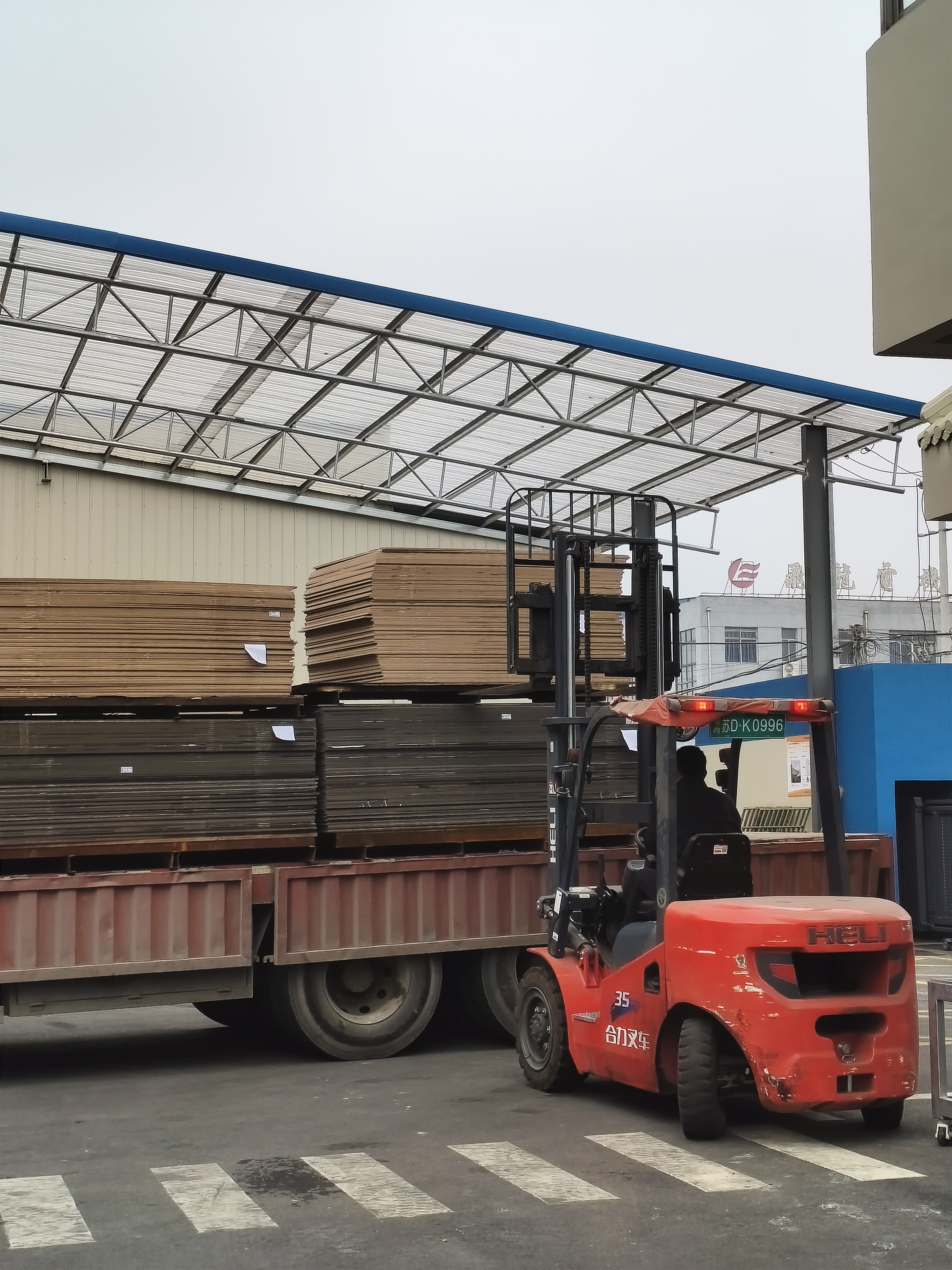
There are many good things about buying flooring from China. Chinese factories use new machines to make strong floors. Many factories check their products for quality. You can pick from lots of colors, styles, and finishes. Big factories make a lot, so prices stay low. You save money but still get good floors. Many suppliers have papers that show their floors are safe and meet world rules. You also get fast shipping and helpful customer service.
At Richwood, our advanced Wuxi Boyu extrusion lines and automated pressing ensure precise, consistent quality. Every board meets E0/E1 and AC3-AC5 standards. Reliable equipment, reliable floors.

Key Considerations for USA Homes
Pick the right flooring for each room and weather. The table below lists things to think about:
Factor | Description |
|---|---|
Durability | Get floors with a high AC rating (AC4 or more) for busy homes. |
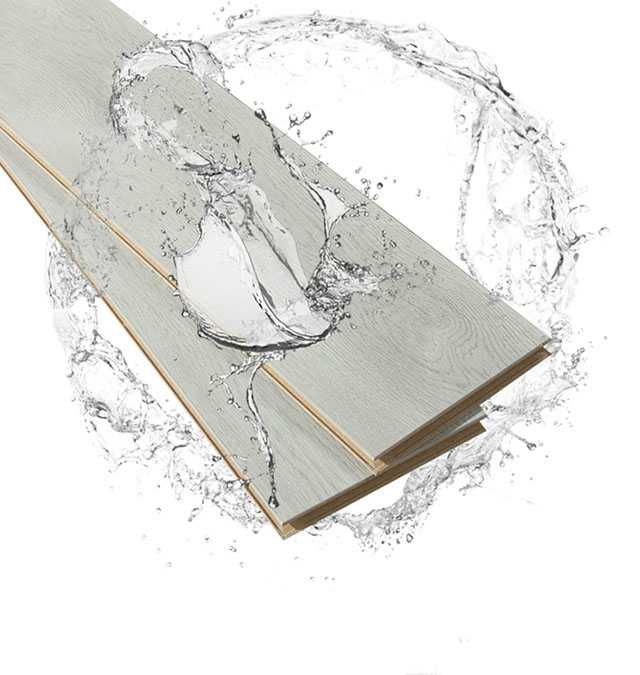
Water Resistance | Choose waterproof floors for kitchens, bathrooms, or basements. |
Aesthetic Fidelity | Pick floors with real-looking textures and pictures. |
Health and Safety | Look for low-VOC papers like CARB Phase 2 or FloorScore. |
Installation | Use click-lock systems for easy DIY work. |
Brand Reputation | Check brands for good history and warranty help. |
Total Cost of Ownership | Think about care costs, not just the first price. |
Match the look and strength of your floor to each room. Use waterproof laminate in bathrooms and kitchens. Always check the quality and papers before you buy. This helps your floors last and keeps your home safe.
Planning and Preparation
Measuring Your Space
Before you start, measure your rooms. Use a tape measure or laser tool. Write down the length and width for each room. Multiply them to get the total area. If your room is not a simple shape, split it into smaller parts. Measure each part and add them up. Remember to include closets and hallways if you want flooring there.
Tip: Check your numbers twice so you do not waste materials.
Calculating Materials Needed
You need to know how much flooring and underlayment to buy. Here are easy steps:
Use your measurements to find the total area.
Add extra for waste. Most projects need 5% to 10% more.
Look at the box to see how much each covers. Divide your area by the coverage to find how many boxes you need.
Plan for underlayment. This layer stops problems like warping and mold, especially in wet places.
Careful planning saves money and time. You will not run out of flooring during your project.
Ordering and Importing Process
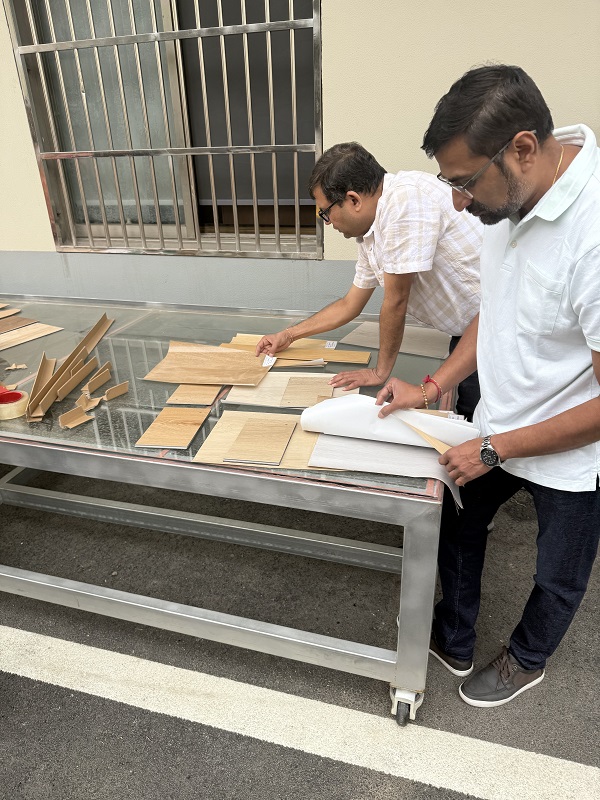
When you order wholesale laminate flooring from China, pay close attention. Ask your supplier for samples and quality papers. Make sure the flooring meets USA safety rules. Check shipping terms and delivery times. See if you must pay extra for customs or taxes. Track your order and check the shipment when it arrives. Good planning helps you avoid delays and surprises.
Note: Good suppliers answer your questions and give all needed papers.
Tools and Materials Needed
Essential Tools for Installation
Having the right tools helps you install flooring easily. You can get good results with simple tools and patience. The click-lock system makes laminate flooring easy to put in. You do not need glue or nails for this job. Here are the tools you should have:
Tape measure helps you check room size.
Saw lets you cut planks for corners and edges.
Spacers keep gaps along the walls.
Pull bar and tapping block help lock planks together.
Utility knife trims underlayment.
Pencil marks where you need to cut.
These tools help you follow each step in the instructions. You save money because you do not need to pay workers. You get a nice finish if you use the tools the right way.
Choosing the Right Underlayment
You need to pick the best underlayment for your floor. Underlayment keeps out moisture and makes the floor quieter. It also cushions the floor and hides small bumps in the subfloor.
Underlayment does many important jobs for laminate flooring: it keeps out moisture, makes the floor quieter, adds comfort, and covers small bumps in the subfloor.
You should put down underlayment before you start laminate flooring. This step keeps your laminate floors safe from harm. You follow the instructions for underlayment to make your floor last and feel good.
Other Supplies Checklist
You need more things for a full flooring job. Get these items ready before you start laminate flooring:
Underlayment
Transition strips for doors and room changes
Baseboards for a neat look
Follow each step in the instructions carefully. Check your supplies so you do not have to stop. You get a pro result when you use all the right materials.
Delivery and Acclimation
Inspecting Your Shipment
When your flooring gets to your house, you need to check it like an installer. Open every box and look for dents or scratches. See if any edges are broken. Count all the boxes and make sure you got the right number. Check if the color and style are what you ordered. If you find a problem, tell your supplier right away. Installers always look for missing or damaged planks before they start.
Use this checklist when you check your shipment:
Look for damage on every plank.
Make sure you have the right number of boxes.
Check that the color and finish are correct.
Look at the papers for safety and certification.
Tell your supplier if you find any problems.
Tip: Installers always check their flooring first. Careful checking helps you save time and money. Richwood ensures safe arrival with reinforced export cartons, pallet wrapping, and edge protectors. Our secure packaging minimizes damage risk. Every box is clearly labeled for easy inspection.
Acclimating Laminate Planks
Acclimation is an important step for installers. You need to let your flooring get used to the room’s air and temperature. Put the closed boxes in the room where you will put the floor. Leave them there for at least 48 hours. This helps stop the planks from changing size after you install them.
Follow these steps to acclimate your flooring:
Keep the room between 65°F and 85°F.
Make sure the humidity is between 35% and 65%.
Stack the boxes flat and leave space for air to move.
Wait at least two days before you start working.
Installers know that skipping acclimation can cause gaps or bumps. You want your floor to last and look nice. Acclimation helps you avoid problems and gives you a smooth floor.
Note: Every installer should follow acclimation steps for the best results.
Subfloor Preparation
Checking Subfloor Condition
You must check the subfloor before you start your laminate flooring project. A strong and even base keeps your new floor stable and smooth. Walk across the area and listen for squeaks or soft spots. Look for cracks, rot, or water damage. If you find any problems, fix them right away. A solid subfloor helps prevent future issues like shifting or noise.
Tip: Use a flashlight to spot hidden damage in corners or under old flooring.
Cleaning and Leveling
You need to clean and level the subfloor to get the best results. Remove all dust, dirt, and old glue. Sweep and vacuum the area until it is spotless. If you see any sticky spots or paint, scrape them off. Fill cracks or holes with patching compound. For uneven areas, use a self-leveling compound. Spread it with a long-handled screed to make the surface flat. Let everything dry before you move to the next step.
Inspect and repair damage such as cracks or rot.
Clean debris and adhesive residues.
Apply a self-leveling compound to fill low spots.
Use a screed to spread the leveling material evenly.
A clean and level subfloor makes your laminate flooring last longer and look better.
Installing Underlayment
You must prepare the subfloor by installing underlayment. This layer adds comfort, reduces noise, and protects against moisture. Start by rolling out the underlayment across the entire floor. Make sure the edges do not overlap. Cut the material to fit around corners and walls. Keep the underlayment smooth and flat. For laminate and vinyl plank flooring, maintain consistent expansion gaps around the room. Use a pull bar to close joints without damaging the edges.
Follow these steps for a professional finish:
Roll out quality underlayment to cover the subfloor.
Trim the edges for a perfect fit.
Keep expansion gaps along all walls.
Check that the underlayment stays flat and secure.
Proper underlayment installation helps your laminate flooring perform well for years.
Cases Of Richwood Laminate Flooring Installation
Richwood laminate flooring installed in homes, hotels, and offices worldwide. Our click-lock system ensures fast, glue-free installation. Customers love the realistic EIR textures, durability, and easy DIY process.
"Richwood's laminate survived our monsoon humidity perfectly." – Nepal distributor
"Bulk orders arrived on time, quality consistent every container." – Pakistan importer
"The EIR oak series sells fast in La Paz. Great value." – Bolivia retailer
FAQ
How do you clean laminate flooring without causing damage?
You should sweep or vacuum with a soft brush. Use a damp mop with a pH-neutral cleaner. Do not use too much water. Avoid steam mops and harsh chemicals. Dry the floor quickly to keep it looking new.
Can you install laminate flooring over old tile or vinyl?
Yes, you can install laminate over tile or vinyl if the surface is flat, clean, and dry. Remove loose tiles. Fill low spots. Lay underlayment before installing the planks.
What certifications should you check when buying from China?
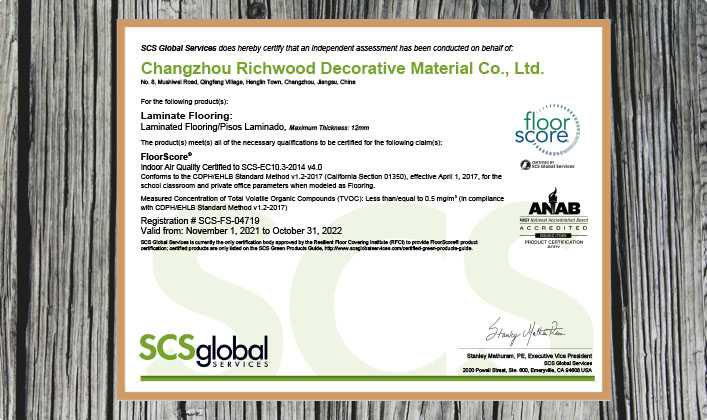
Look for certifications like CARB Phase 2, FloorScore, or SGS. These show the flooring meets safety and environmental standards. Always ask your supplier for proof before you buy.
Richwood provides full certification packages: CARB, CE, ISO9001, and SGS-tested E0/E1. We share batch-specific reports openly. Quality and compliance you can trust.
How long does laminate flooring last in a busy home?
Laminate flooring can last 10 to 20 years with proper care. Choose a high AC rating for better durability. Clean often and protect the surface from water and scratches.